
Brisbane’s built environment is changing fast as new developments are rising across the city, older buildings are being refreshed, and design standards are becoming more refined.
Paint and surface finishes now play a bigger role in the quality, durability, and perception of a property. For commercial, industrial, and high-end residential spaces, the next few years will bring shifts in both materials and methods.
Trade Painters has been part of this evolution for decades. The work we’re seeing across Brisbane shows a clear move toward performance, sustainability, and craftsmanship that reflects the city’s growth. Here’s what’s shaping painting and finishing in 2026.
Durability as design
Across commercial and industrial sites, durability is driving product choice. High-performance coatings that resist abrasion, moisture, and chemical exposure are now standard in warehouses, car parks, food facilities, and workshops. Paint systems are being specified for lifespan rather than colour alone.
In offices and retail spaces, property owners are asking for coatings that maintain their finish under heavy use. Scrubbable matte paints and anti-mark formulations are replacing gloss in high-traffic areas. The goal is a professional look that lasts longer and reduces maintenance costs. For builders and facility managers, that longevity saves both money and disruption.
Industrial coatings get smarter
Industrial painting has moved well beyond basic protective coatings. Epoxy and polyurethane systems are being engineered to handle specific conditions such as high humidity, UV exposure, or extreme temperature shifts. In Brisbane’s climate, protection from both heat and moisture is essential.
New coating technologies, such as low-VOC epoxies and polyaspartic finishes, offer fast curing times and reduced downtime. For factories and logistics centres, that means less interruption to operations. The focus in 2026 will be on systems that combine performance, environmental compliance, and speed of application.
Sustainability through smarter materials
Sustainability is now a major selection factor for both commercial and residential projects. Clients are choosing paints with lower environmental impact, from low-VOC formulations to products with recycled content. Manufacturers have stepped up, producing coatings that meet green building standards without compromising quality.
In high-end homes and boutique developments, natural limewash and mineral paints are gaining popularity. They provide a softer, breathable finish and a subtle texture that synthetic paints can’t match. In industrial settings, sustainability comes through in waste reduction—spray systems designed for precision and minimal overspray are now common.
Colour trends for 2026
Brisbane’s colour preferences are shifting toward natural, grounded tones. In commercial interiors, muted neutrals with warm undertones dominate, paired with occasional accent colours that reflect corporate identity. These palettes create calm, timeless spaces suited to hybrid workplaces and client-facing environments.
For luxury residential work, colour is moving away from stark whites. Warm whites, sand tones, and soft greens are becoming popular, inspired by Queensland’s outdoor lifestyle. Textured finishes like Venetian plaster and matte limewash are replacing flat paint in premium builds, adding depth and light variation.
Industrial sites are seeing more use of branded colour zones for safety and navigation. Durable floor coatings in contrasting colours help define walkways, machinery areas, and storage zones. The emphasis is on function first, with colour supporting efficiency and safety compliance.
Texture and finish matter
A growing trend across all sectors is the use of texture to add interest without clutter. In high-end residential spaces, polished plaster, trowelled finishes, and subtle texture coats are in demand. They catch the light differently throughout the day, giving interiors a dynamic quality.
In commercial settings, painted acoustic panels and textured feature walls are replacing heavy decorative materials. These surfaces improve both appearance and sound quality while keeping maintenance simple. Industrial projects are adopting similar ideas with textured protective coatings that hide surface imperfections and extend the life of substrates.
Smart application and maintenance
Technology is changing how painting projects are delivered. Moisture meters, digital colour scanners, and airless spray systems improve accuracy and consistency. For larger commercial and industrial sites, predictive maintenance schedules are being used to track when coatings need renewal, reducing costly shutdowns.
Contractors are also expected to work more cleanly and efficiently. Low-odour paints, dust control systems, and shorter curing times make it easier for tenants to stay operational during repainting. This practical approach is shaping how tenders are written and how projects are planned across Brisbane.
High-end residential finishing
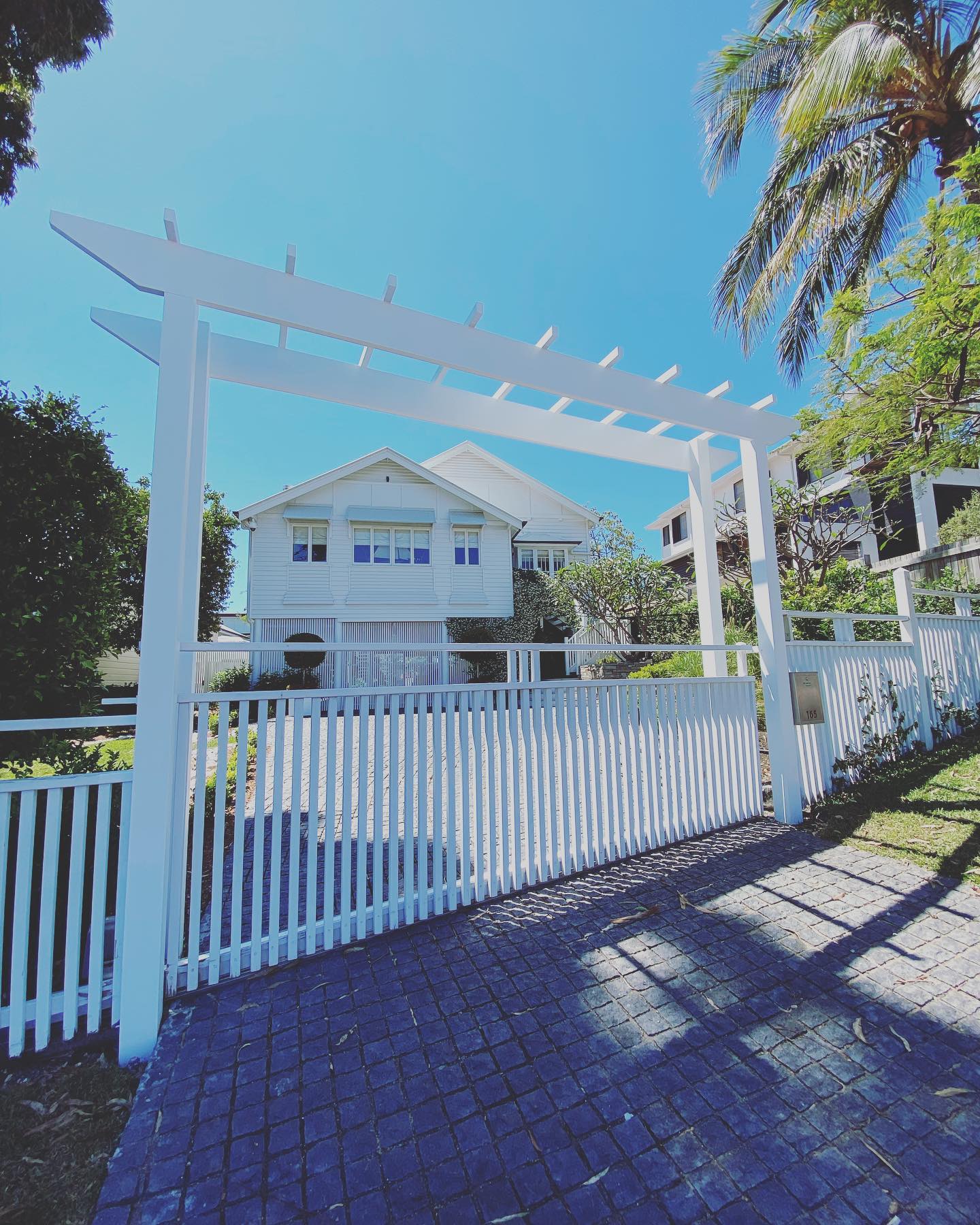
Luxury homes across Brisbane and the Gold Coast are setting new standards for detail and finish. Clients expect seamless paintwork, consistent texture, and colour coordination across materials like plaster, timber, and metal. Feature walls using limewash, satin enamel trims, or metallic accents are popular in both heritage restorations and new builds.
Another emerging trend is the fusion of indoor and outdoor finishes. Exterior-grade coatings with fine texture are being used on internal feature walls to create a consistent look through living areas and terraces. As outdoor living continues to define Queensland homes, finishes need to handle both humidity and UV exposure without fading or peeling.
What it means for 2026
Whether it’s a CBD office, industrial warehouse, or high-end residence, the focus for 2026 is clear: performance, sustainability, and precision. Brisbane clients want paintwork that lasts, looks refined, and supports long-term building performance.
For commercial property owners, that means specifying coatings that reduce lifecycle costs and maintain visual standards. For industrial facilities, it’s about protective systems that improve safety and efficiency. For residential clients, it’s craftsmanship that adds value and personality to every surface.
The painting industry in Brisbane is becoming more technical, more design-conscious, and more aligned with global standards. That’s a positive shift. Well-executed finishes don’t just protect a building—they define how it feels and how long it lasts.